
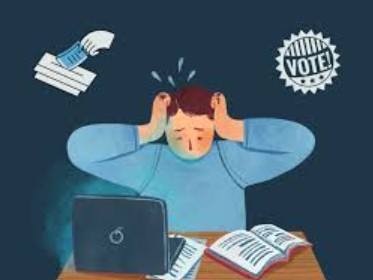
Being a teenager is confusing and overwhelming. You balance responsibilities, discover your identity, and try to enjoy yourself. At this stage, you might not know who you are or what you stand for. Teens often feel pressured to take a side politically.
This pressure can come from many sources, one of which is social media. Social media plays a major role in shaping opinions, for better and worse. It is one of the most powerful ways for a person to communicate with every person in the world at the same time, on the same platform. Social media can often feel like a hostile environment where sharing opinions leads to quick criticism rather than conversation. For example, a heated Instagram comment section can cause stress and feelings of isolation. Those who do share their political views on platforms can be shamed and criticized for having an opinion of their own. It seems so much easier to be critical over a screen rather than face-to-face. Social media can make you feel like you need to fit in, pick a side, know who you are, and where you belong. Social media can also put pressure on your character by making you feel like a coward for not sharing your political opinions. For many teens, it’s easy to feel pulled into the fast-moving and often divisive world of social media politics.
Besides social media, friends and family add pressure. Family may urge you to adopt their views. Parents are a major influence, and disagreements can cause problems. For instance, a teen at dinner may hear strong opinions, feel uncomfortable, and not know how to speak up. Friends can also judge based on political opinions. Politics now often defines character, and friendships can become tense over differences.
In school settings, a classroom is also a place where pressure could come from. In government classes or some history or English classes, politics can come up, and everyone shares their opinions. It’s important that, in that scenario, students can feel safe to share their opinions and not feel shamed for those opinions. In recent years, political discussions have become more common in classrooms. Students now seem to have strong opinions about what’s going on in the world. The youth of this generation are heavily influenced by the ways of the world around them. The most important part of debating or discussing politics within classrooms is to keep the conversation controlled and safe. Even assignments that involve current events can make students feel like they need to take a stance before they’re ready.
Having an opinion about what’s going on in the world is nothing to apologize for or be ashamed of. No one should feel pressured into having a political opinion or what they should believe in. This pressure may mean something bigger for a teen. As a teenager, sometimes it can feel like you’re expected to know what you want and who you are for certain. Teenagers shouldn’t feel rushed to have everything figured out. It’s okay to be undecided. Instead of rushing to pick a side, students can take time to research, listen to different perspectives, and form opinions at their own pace.





AVERY KING • Apr 22, 2026 at 10:09 am
GOOD JOB TWIN