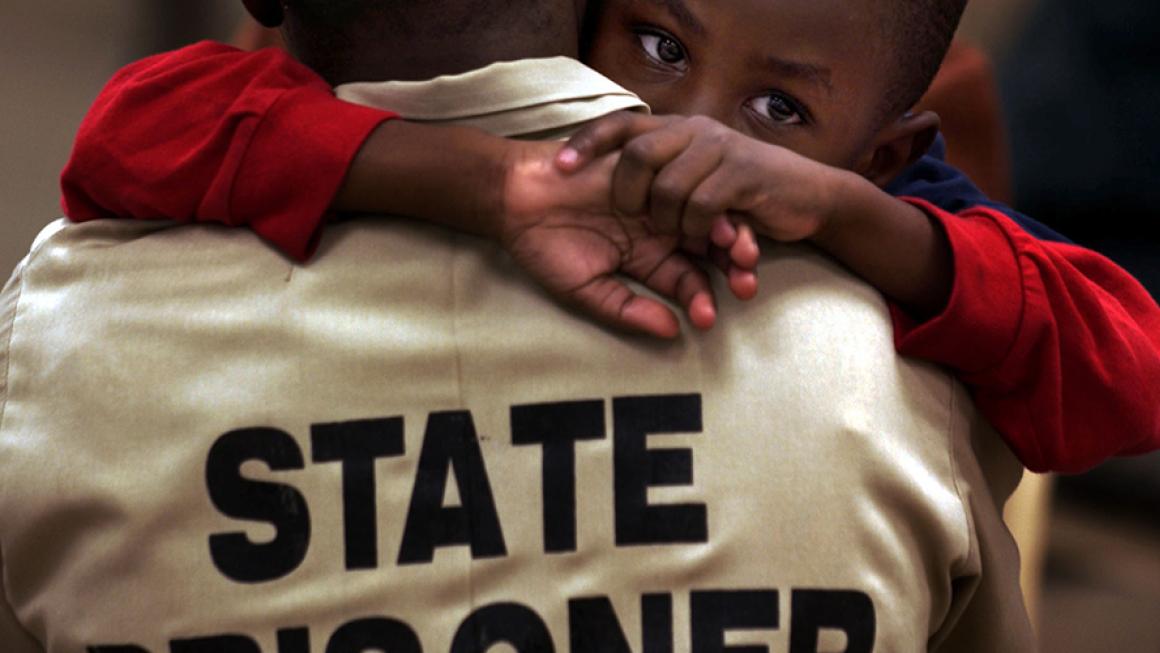
Stereotypes are a main problem in society; many people make assumptions about others based on skin color, gender, religion, and where they are from. But one group that is often overlooked in this conversation is children with incarcerated parents. These stdents are frequently judged not for who they are, but for the actions of their family members. This raises an important question: should someone be defined by circumstances they had no control over?
Some people may automatically think children of felons will become like their incarcerated parents. Many children will get that held against them in schools and future jobs, but all of it is based on familial ties. Stereotypes such as these hurt the children based solely on their parents’ actions. Some of these children aren’t even born while their parents are incarcerated, and yet still suffer the backlash of what their parents did. Stopping bullying and stigma based on home life and parental actions will benefit kids’ learning and social interactions, as it will bring out the better side of these children and teach them that what they are supposed to be is entirely what they choose.
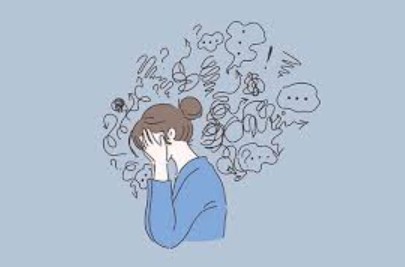
Stigma carries a weight for children and teenagers; people say one thing, and eventually they believe it, making them do the things that people are saying about them. They hang out around bad influences, and start doing things that they don’t really want to do but feel the need to do based on what people have told them to be or what they “will be”. It brings a weight to these children’s shoulders, leaving them with a feeling of worthlessness. It creates the idea that if people are going to think this way about me in the first place, I might as well just be that person.
A child’s environment plays a major role in their development. Supportive, understanding spaces can help students grow into confident individuals, while negative environments can push them in the opposite direction. Many of these “Stereotypes” are based on this attention seeking, which then just makes a child look for a healthy, nurturing environment and turn them into a delinquent. Attention seeking is a form of mutually bad to bad behaviors that people exhibit to gain the attention of others. Attention seeking can be, from being extremely loud to getting in trouble with the law; it is not uncommon in these situations.
The way children react to certain situations, and “hidden trauma,” really depends on the children themselves. If they fill their heads with positive mindsets, and have support around them, like school counselors, friends, and extended family. Many children in these situations are not seeking trouble but they are seeking connection, stability, and someone who understands what they are going through. Students feel that having someone to check on them, or someone just to relate to, would have helped them while going through the transition of not having both or just one of their biological parents.
Support systems can make a significant difference. School counselors, teachers, friends, and extended family members all have the ability to provide guidance and encouragement. However, support can only happen if someone is aware there is a problem. School Counselors have stated that they don’t know when a student is having trouble outside of school unless someone brings it to their attention. Because of this, students may not always receive the help they need right away. Increasing awareness and encouraging communication between students and staff could help ensure that struggling students are supported earlier and more effectively. Having these resources would help prevent stigma and stereotypes from progressing around school, giving students a better chance at healthier friendships and easier learning environments.
Stereotypes about children of incarcerated parents do more harm than good. These students are individuals with their own goals, values, and potential.These jokes and stigma that are being held against them are just slowing their social development around them. It is unfair to label children as “monsters” because of their parents’ actions. Every student deserves to be seen for who they are, not defined by circumstances beyond their control.