Influencer content has been in its prime for the past 5-8 years by now. Social media like TikTok, instagram, and pinterest are the main grounds for influencers of all ages to be posting content with their newest addition to their collections of sometimes useless things. From owning 100+ shoes or having six cabinets filled with Starbucks cups worth more than your total life’s debt, influencers have specific audiences, teenagers.
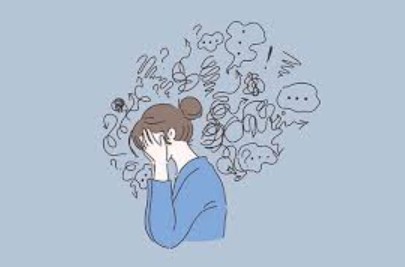
Teenagers are one of the biggest victims of influencer culture, especially with the double amount of natural insecurity and self consciousness you get once you’ve entered high school. One of the top products being marketed by beautiful, usually blonde, and seemingly immortal woman influencers are makeup and skincare products. Many, many, many teens hit a stage where acne or skin pores become more apparent and common, and even falling a day behind in self-care can cause an outbreak. With influencers marketing new insecurities that they say you should have, like arm fat, smile lines at the age of 8, and to have clear, glossy skin untouched by any ‘grime’ or ‘dirt’ of daily life, teenagers are almost pressured into buying these products. Millennial influencers tend to market it as a “I wish I had this when I was a kid” and/or a “How to never age for your future husband” product, making it seem as though teenagers are lucky they can pour snail mucin all over their face and expect the absolute best out of it, since that’s how the product is marketed. The age for what a teen should look that tends to only lower as influencer culture progresses, “My daughter just started her no-smile line routine as a third grader”, something that is for sure going to leave a big, fat negative impact on social standards and interactions later in the future.
Besides beauty with weird skin products, collectible items are also high-up on the list. Not just girls, but boys tend to be influenced. Your favorite singer is wearing a pair of expensive shoes, and just two scrolls away from the video, you see an influencer holding the same brand and type of shoe, in a flexing manner. Influencing isn’t JUST influencing, and often causes stronger emotions like jealousy and impulsiveness. “If everyone is getting it, then I should too,”- a common teenage conception, and the natural need to want to feel apart of something that comes with any age. Influencers mass buy and do huge hauls, a sign of impulsiveness at its finest, influenced to the teenage mind who are more likely to gain that impulsiveness too. Suddenly, “BFF is wearing Nike, and now you have to too!” is a much more common scenario than you think, no matter the brand.
Teenagers are often looked toward for the next trends. Even before social media influencers, teenagers/young adults were always the ones changing the decade whether it be fashion or music. A teen influencer is likely to influence more teenagers then let’s say an older adult who is slowly falling behind in the latest trends and styles. Trends tend to be a lot shorter now, so it causes a surge of urgency. Limited time Starbucks cups, dancing trends, and seasonal wear like crocs and jackets, last for a shortened period compared to Stanley cups and ‘the clean girl look.’
Influencers will most likely continue to profit over these insecurities that are common with teenagers. However, that doesn’t mean teenagers are powerless. Learning to recognize when content is designed to sell insecurity rather than confidence is an important step toward breaking the cycle. Trends will always change, but self-worth shouldn’t depend on the next viral product or aesthetic. By being more mindful of what we consume online, teenagers can begin to take back control from influencer culture instead of letting it define them.